Southern California Center for Children's Environmental Health Research Translation

About the Center -

MISSION

The Southern California Center for Children’s Environmental Health Translational Research is a joint collaboration with the University of Southern California and the University of California, Irvine. Together the institutions drive innovation solutions and science translations for children’s environmental health research. Near-roadway and regional air pollution, industrial releases, goods movement and growing oil  and gas production in urban areas vulnerable to wildfires all threaten to increase the burden of environmental disease. In California and worldwide, these threats disproportionately affect children, especially in vulnerable communities. 

The mission of the Southern California Center for Children’s Environmental Health Translational Research is to reduce the burden of childhood air pollution-related diseases by building an innovative framework for multidirectional engagement in which communities, government and civil society use science to develop solutions, with a focus on communities that suffer from environmental burdens. The theme of the Center is Urbanism, Air Pollution, Children’s Health and Environmental Impacts. The Center framework includes novel approaches to youth engagement and community science, urban design and policy solutions, and communication and public knowledge.

Focus Areas

Exploring the Frontiers of Knowledge: Our Focus Areas

Freight Transport

Freight transport is the commercial movement of goods by land, sea, and air, often across multiple modes such as trucks, trains, ships, and planes. Freight systems are essential to daily life and the economy, but they can also contribute to environmental and public health concerns. Activity around highways, ports, rail yards, warehouses, and airports can increase air and noise pollution and place added stress on nearby neighborhoods. Diesel-powered vehicles in particular are a major source of pollutants that affect local air quality. Freight operations may also contribute to traffic, wear on roads, and changes to land use. Advancing cleaner vehicles and fuels, improving logistics and routing, and strengthening pollution controls can help reduce these impacts while supporting reliable goods movement.
My project (1)-min

Community Science & Air Pollution

Community science is a collaborative approach to research where residents and local organizations partner with scientists to ask questions, collect data, and interpret findings about the environment they live in. Air pollution is one of the most serious environmental health threats and is linked to major health problems, including heart disease and other chronic conditions. Together with community organizations, we build local capacity to measure air quality and understand what it means for community health through community-led air monitoring, participatory research, and digital storytelling. This approach helps document local conditions, share community experiences, and support practical solutions to improve neighborhood air quality.

BeHeard! Seminars

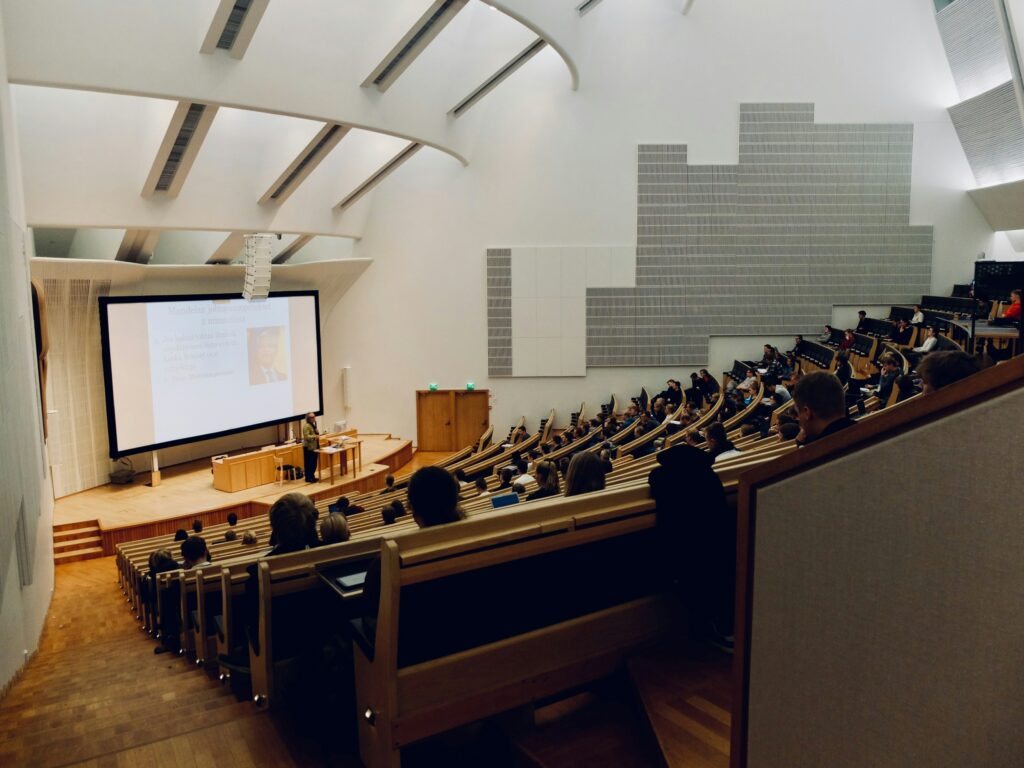
Be Heard is a seminar series focused on children’s environmental health that helps researchers and community members communicate science clearly and responsibly. Through panels featuring experts in public health, journalism, policy, law, advocacy, community organizing, and academia participants gain practical tools for writing, speaking, and sharing findings to broaden understanding and support healthier communities.

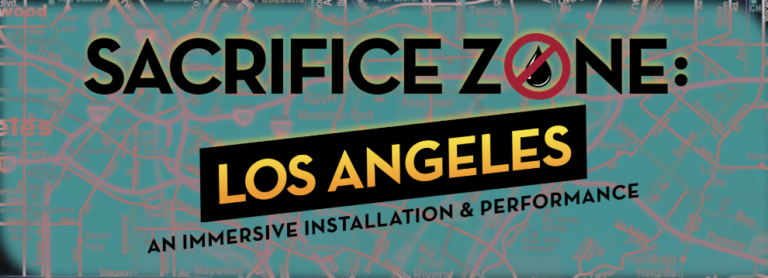
Sacrifice Zone: Los Angeles (SZLA)